Geographic Location Impact
The cost of shower installation can vary significantly based on geographic location. Factors such as local labor rates, availability of materials, and regional demand play critical roles in determining pricing. For instance, urban areas often see higher installation costs compared to suburban or rural regions due to increased labor expenses and the need for specialized contractors. This trend is particularly evident in metropolitan districts, where competition among service providers can also drive prices up or down.
In Schenley Heights, Pittsburgh, for example, specific costs for shower installation and repair may reflect both the local economy and the overall housing market. Residents in this area may encounter different pricing based on the complexity of the installation, existing plumbing infrastructure, and desired materials. Understanding these regional impacts can help homeowners make informed decisions about their shower projects, ensuring they choose an option that fits both their budget and expectations.
Cost Variances Across Different States
Costs for shower installation can vary significantly based on the state in which the work is being done. Regions with higher living expenses tend to reflect these costs in their home improvement services. Labor rates, material costs, and permit fees also fluctuate depending on local regulations and market demand. Areas with a robust construction market might see prices leaning towards the higher end of the spectrum, while rural locations may offer more budget-friendly options.
In South Shore, Pittsburgh, homeowners may find that the costs for shower installation and repair are competitive compared to neighboring areas. This variance is influenced by the local economy and the availability of skilled labor. Understanding these local factors can help homeowners better gauge what to expect when hiring professionals or considering DIY projects.
Estimated Cost Ranges
The estimated cost ranges for shower installation can vary widely based on several factors, including materials and labor. On average, homeowners might expect to pay between $1,000 to $3,500 for a standard shower installation. Basic setups, utilizing affordable materials, fall at the lower end of the spectrum, while more elaborate designs with higher-end features significantly increase the overall cost.
In specific regions, such as Mt. Lebanon, Pittsburgh, pricing may be affected by local market trends and labor rates. For instance, unique challenges presented by older homes may also lead to higher installation fees. Homeowners should factor in these regional variations when budgeting for shower installation and repair in Mt. Lebanon, Pittsburgh, ensuring they have a comprehensive understanding of potential costs before beginning their projects.
Standard Pricing for Basic and Luxurious Installations
The cost of shower installations can vary significantly based on the materials selected and the complexity of the project. Basic installations typically range from $1,000 to $3,000, focusing on standard fixtures and straightforward designs. Homeowners may choose budget-friendly options such as fiberglass or acrylic shower units, which can help reduce expenses. In contrast, luxurious installations often exceed $5,000, incorporating high-end materials like custom tile work and premium fixtures.
Shower installation and repair in Terrace Village, Pittsburgh, can reflect these variations as local labor rates and material availability influence overall pricing. Residents looking for a basic setup may find competitive rates, while those desiring a more opulent experience should expect to invest significantly more. Custom features, advanced plumbing, and high-quality finishes all factor into the final cost, making it essential for buyers to carefully consider their budgets.
DIY vs. Professional Installation
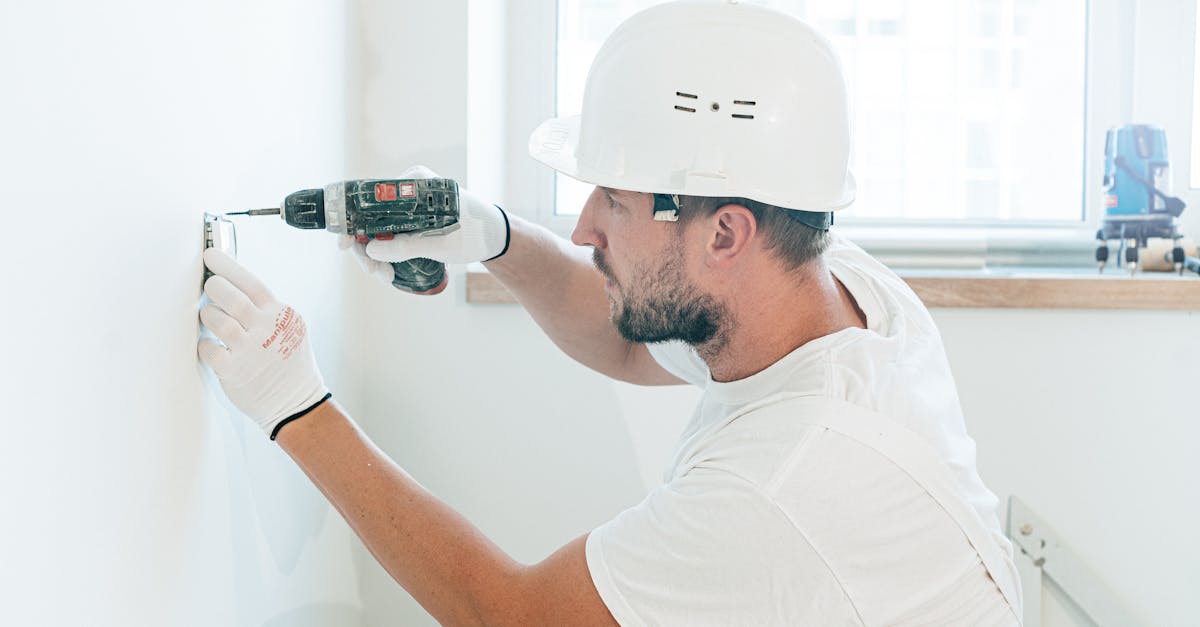
Choosing between a DIY approach and hiring a professional for shower installation can significantly impact costs and results. Tackling the project yourself can save money on labor, but it requires good knowledge of plumbing and tile work. Some homeowners take on this challenge to gain a sense of satisfaction and control over the project. For those willing to invest time and effort, resources and tutorials are widely available online. However, it’s crucial to consider local regulations and ensure that the necessary permits are obtained to avoid future complications.
On the other hand, hiring a professional often leads to a more polished outcome. Experts in shower installation and repair in Terrace Village, Pittsburgh, are familiar with local codes, ensuring compliance and reducing the risk of mistakes that could incur additional costs. Experienced professionals can also navigate unexpected challenges efficiently, saving homeowners from potential headaches. While this route involves higher initial expenses, the peace of mind that comes from knowing the job is done correctly can outweigh the savings of a DIY project.
Pros and Cons of Each Approach
Choosing between DIY and professional installation often hinges on one's skill level and comfort with home improvement projects. Undertaking shower installation and repair in Mt. Lebanon, Pittsburgh, can save money if you possess the necessary tools and skills. It allows for personal customization and can be a rewarding endeavor. However, the risk of errors and the potential for costly repairs due to improper installation are key drawbacks.
Hiring a professional offers expertise and experience that can ensure a high-quality result. Professionals bring knowledge of local building codes, which can prevent compliance issues. This approach typically leads to a quicker installation with fewer complications. On the downside, the cost of hiring a contractor can significantly increase overall expenses, making it less appealing for those on a tight budget.
FAQS
What factors should I consider when determining how much to charge for a shower install?
Factors to consider include your geographic location, the complexity of the installation, the type of shower being installed, material costs, labor, and whether you are offering a basic or luxurious installation.
How do geographic location and state regulations affect shower installation costs?
Geographic location significantly impacts costs due to differences in living expenses, labor rates, and material availability. Additionally, state regulations and building codes can influence the complexity and overall cost of the installation.
What is the average cost range for a shower installation?
The average cost range for a shower installation can vary widely, typically falling between $1,000 to $5,000, depending on factors such as the type of shower, materials used, and whether it is a basic or luxurious installation.
Is it more cost-effective to install a shower myself or hire a professional?
While DIY installation may save on labor costs, it could lead to additional expenses if mistakes are made. Hiring a professional may have a higher upfront cost but can ensure a quality installation that meets building codes and reduces the risk of future repairs.
What are some pros and cons of DIY shower installation?
Pros of DIY installation include cost savings and the satisfaction of completing a project yourself. However, cons can include a steep learning curve, potential for errors, and lack of warranty or guarantees on workmanship compared to hiring a professional.