Drain cleaning
At B.E.T. Plumbing, we understand that a clogged drain can disrupt your daily routine and lead to more significant plumbing issues if left unattended. Our professional drain cleaning service utilizes advanced techniques and state-of-the-art equipment to effectively clear out blockages and restore proper flow to your plumbing system. Whether it's a stubborn kitchen sink, a slow-draining bathtub, or an obstructed sewer line, our experienced technicians are equipped to handle it all. We prioritize customer satisfaction and work diligently to ensure that your drains are not only cleaned but also protected from future clogs. Trust B.E.T. Plumbing to provide reliable, efficient, and thorough drain cleaning solutions tailored to your needs.
The Role of Drainage Systems
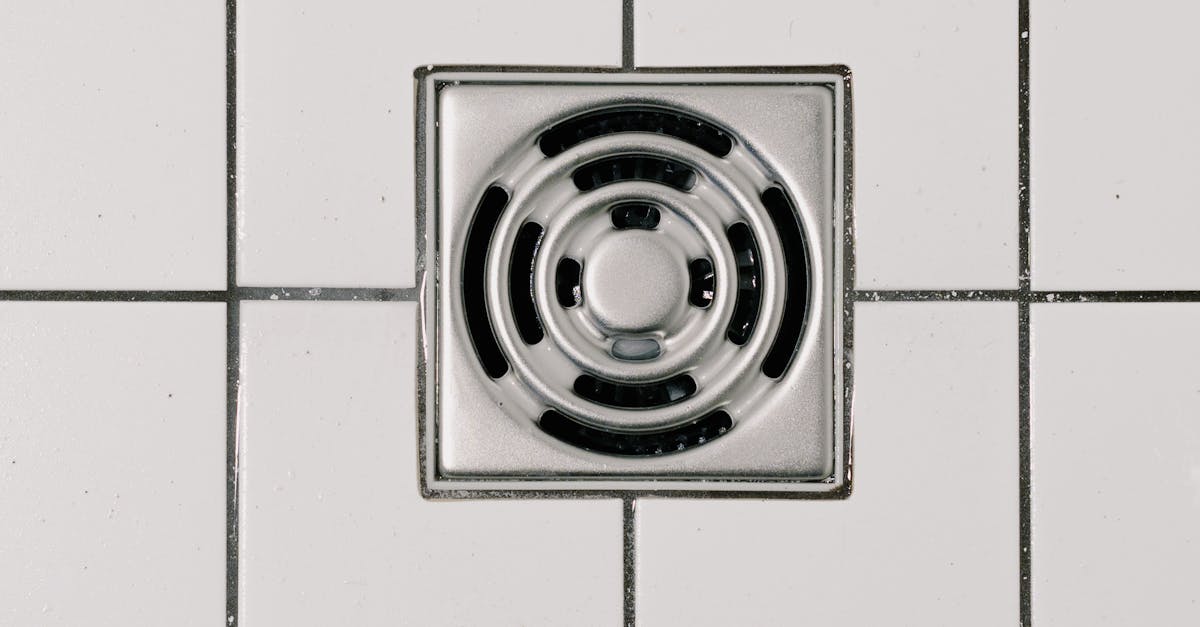
Drainage systems serve a crucial function in managing water flow both inside and outside of residential properties. They channel wastewater away from the home, preventing buildup that can lead to unpleasant odors or structural damage. Efficient drainage systems help ensure that sinks, showers, and toilets operate smoothly without the risk of overflow or backup.
A well-designed drainage system also contributes to the overall health and hygiene of a household. By directing excess water away from foundations and into appropriate outlets, drainage systems help mitigate the risk of mold growth and damage from water intrusion. Maintaining these systems is essential for preserving not just plumbing fixtures but the entire living environment.
How They Impact Household Plumbing
Drainage systems play a crucial role in maintaining the overall functionality of household plumbing. They facilitate the smooth removal of wastewater and prevent the buildup of unwanted materials in pipes. When these systems become obstructed, the resulting pressure can lead to leaks and pipe damage, which often necessitates costly repairs. A well-functioning drainage system not only ensures health and hygiene by managing waste effectively but also extends the lifespan of plumbing components by reducing stress on the system.
Clogs and blockages can disrupt daily activities and cause significant inconveniences. Appliances that rely on drainage, such as washing machines and dishwashers, may experience malfunctions if the system is not clear. Furthermore, issues with drainage can lead to unpleasant odors inside the home, creating an uncomfortable living environment. Regular maintenance and prompt attention to any signs of trouble are essential to prevent interruptions and safeguard the integrity of household plumbing.
Tools Used in Drain Cleaning
When tackling the challenges of drain cleaning, a variety of tools can ensure efficiency and effectiveness. A plumbing snake, or auger, is commonly employed to dislodge stubborn clogs. This flexible tool can navigate the twists and turns of pipes, reaching blockages that are otherwise inaccessible. Additionally, high-pressure water jetters use powerful jets of water to clear away debris, grease, and buildup from pipe walls, ensuring a thorough cleaning.
Chemical cleaners offer a quick chemical solution for minor clogs. However, care must be taken with these products, as their corrosive nature can damage pipes over time. Manual tools such as plungers should never be overlooked; they are often the first line of defense against simple blockages. Keeping a well-stocked toolbox with these essential cleaning instruments can help in promptly addressing drainage issues before they escalate.
Essential Equipment for Effective Cleaning
Plumbers rely on a variety of tools to ensure efficient and thorough drain cleaning. Among the most common are drain snakes, which are flexible augers that can navigate through pipes to break up or remove clogs. For more stubborn blockages, hydro jetting equipment utilizes high-pressure water streams to clear debris effectively. Additionally, video inspection tools allow plumbers to assess the condition of the pipes, identifying issues that may not be visible through traditional methods.
Using proper equipment not only enhances the effectiveness of drain cleaning but also safeguards the plumbing system. Hand tools such as plungers and drainage rods are essential for minor blockages and routine maintenance. Chemical drain cleaners can provide a quick solution; however, they may damage pipes if not used correctly. Investing in quality tools can prevent future problems and lead to better long-term outcomes for homeowners.
Preventing Future Clogs
Maintaining clear drains requires regular attention to common practices that can prevent clogs from forming. One key approach is to be mindful of what goes down the sink and toilet. Avoid flushing items that do not break down easily, such as wipes or dental floss. In kitchens, using strainers over sink drains can catch food particles before they enter the plumbing system.
Regular cleaning of drains can also assist in keeping them clear. Pouring hot water down the drain periodically can help dissolve grease buildup. Additionally, a mixture of baking soda and vinegar serves as a natural remedy for maintaining drain health. This combination helps break down minor blockages and eliminates odors, contributing to a fresher plumbing system.
Tips for Maintaining Clear Drains
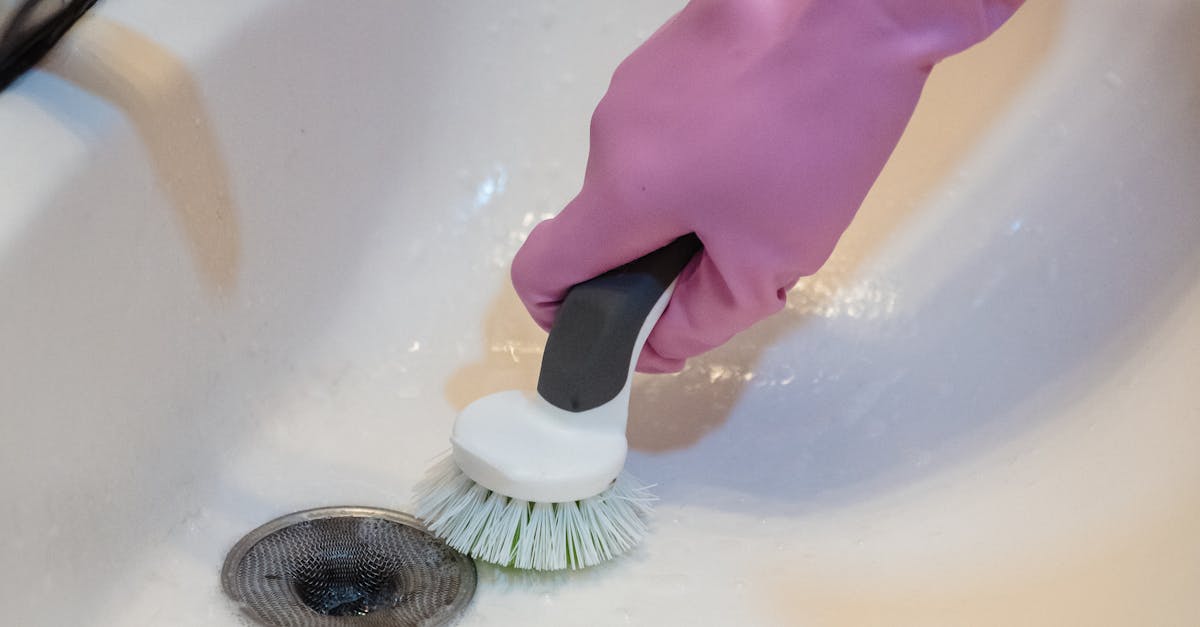
Regular maintenance is key to avoiding unpleasant clogs in your drainage system. Simple practices can significantly improve the flow in your pipes. For instance, using drain catchers in sinks and tubs helps trap hair and food debris, preventing them from entering the plumbing. Periodic flushing of drains with hot water can also dislodge any buildup that might start forming over time.
Another useful approach involves being mindful of what goes down your drains. Avoid pouring grease, coffee grounds, or fibrous food scraps into your kitchen sink, as these materials can easily accumulate and lead to blockages. Consider performing a thorough clean-out of your pipes every few months, utilizing a mixture of baking soda and vinegar. This natural solution can break down minor clogs and reduce odors, keeping your pipes in good condition without harsh chemicals.
FAQS
What are the signs that my drains might be clogged?
Common signs of clogged drains include slow drainage, gurgling sounds, foul odors, and water pooling around sinks or tubs.
How often should I clean my drains?
It's recommended to clean your drains at least once a year to prevent buildup and clogs, but more frequent cleaning may be necessary if you notice any issues.
What tools are essential for drain cleaning?
Essential tools for drain cleaning include a plunger, drain snake, hydro-jetter, and various types of cleaning solutions or enzymes.
Can I use chemical drain cleaners safely?
While many chemical drain cleaners can be effective, they should be used with caution as they can damage pipes and are not environmentally friendly. It’s often better to use safer alternatives.
How can I prevent future clogs in my drains?
To prevent future clogs, avoid putting grease or large food particles down the sink, use drain strainers, and regularly flush drains with hot water or vinegar and baking soda.