When to Call a Plumber
Recognizing when to call a plumber is crucial for homeowners dealing with persistent drainage issues. If simple home remedies and store-bought drain cleaning solutions fail to provide relief, it may indicate a more serious problem within the plumbing system. Severe clogs can lead to further complications such as pipe damage or wastewater backup, which can pose health hazards and require immediate professional attention.
Another sign that it’s time to reach out to a plumber is when you experience multiple drains in your home backing up at the same time. This could point to a blockage in the main sewer line, which can be complex to resolve without expert help. Additionally, if unpleasant odors emanate from your drains or if you notice water pooling in unusual areas, a professional assessment is essential. Relying solely on DIY methods may prolong discomfort and lead to more extensive repairs down the line.
Signs of Severe Clogs
Recognizing the signs of severe clogs is crucial for maintaining a healthy plumbing system. Water pooling in sinks, showers, or bathtubs often indicates a blockage deeper in the drainage system. A slow drainage rate can also signal more serious issues, particularly if multiple fixtures are affected simultaneously. These situations require prompt attention, as they can escalate quickly and lead to significant water damage or plumbing failures.
Unpleasant odors emanating from drains can further indicate severe clogs. Built-up debris or stagnant water creates an environment conducive to bacteria growth, resulting in foul smells. In such cases, drain cleaning may become necessary to restore proper function and hygiene. Neglecting these warning signs can result in more extensive plumbing problems, emphasizing the importance of timely intervention.
Preventative Measures for Clogged Drains
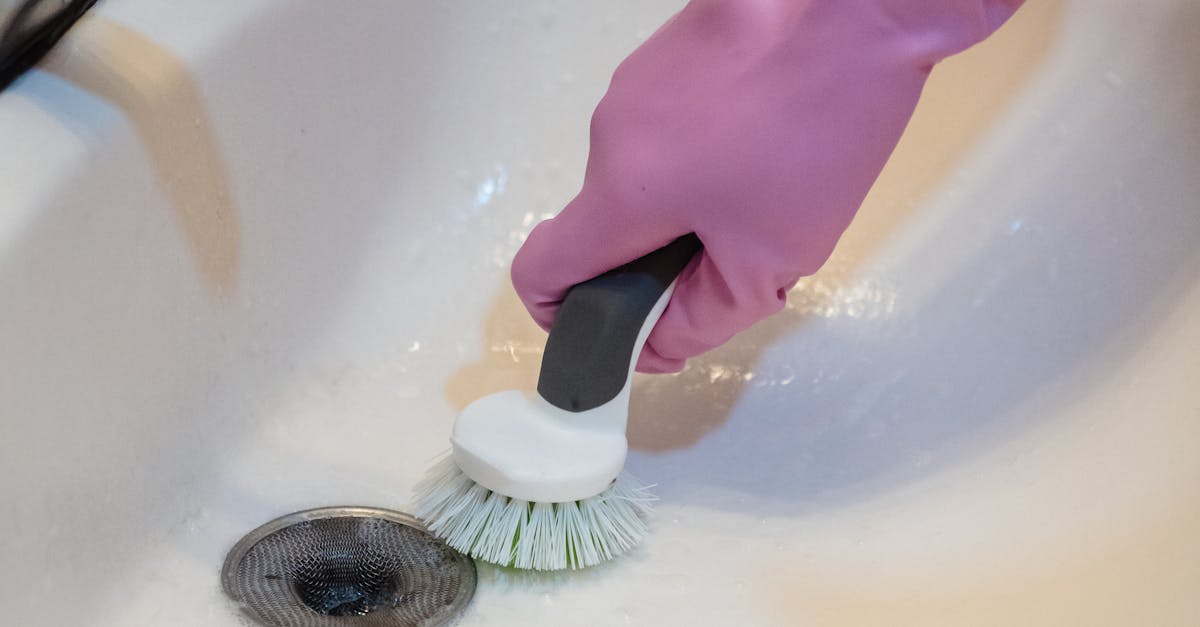
Regular drain cleaning is essential for maintaining a functional plumbing system. Homeowners should consider scheduling routine inspections and cleanings to prevent buildup. This proactive approach helps identify potential issues before they escalate. Minor clogs can often be addressed with simple tools or homemade solutions, reducing the need for professional intervention.
In addition to scheduled maintenance, it's important to be mindful of what goes down the drains. Avoid flushing items like paper towels, grease, or food scraps, as these can accumulate and create serious blockages. Investing in drain covers can also act as a barrier, preventing debris from entering the pipes. These simple preventative measures can significantly prolong the efficiency of your drainage system.
Regular Maintenance Tips
Regular maintenance of your drains is essential for preventing clogs and ensuring optimal flow. Scheduling routine drain cleaning can help eliminate buildup from grease, hair, and other debris. A professional service can provide thorough cleaning that goes beyond just using a plunger. Homeowners can also adopt simple habits, like running hot water down the sink after meals and using drain screens to catch particles before they cause blockages.
In addition to scheduled cleaning, conducting regular inspections of your plumbing system can detect potential issues early. Check for slow drains or unusual odors, as these can signal problems before they escalate. Maintaining an awareness of your drainage infrastructure allows for proactive measures. Staying diligent reduces the risk of severe clogs and costly repairs in the future.
Understanding Drainage Systems
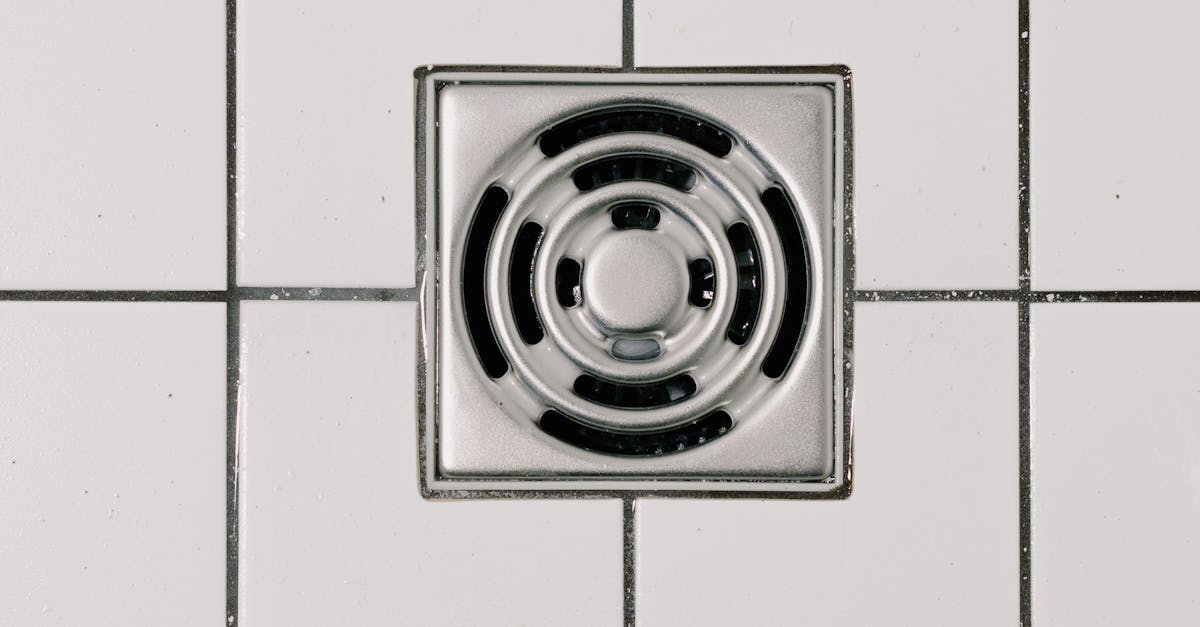
A drainage system is essential for managing wastewater effectively in residential and commercial buildings. It consists of various components, including pipes, traps, and vent systems. Water flows through these pipes due to gravity, allowing for efficient disposal of waste. A well-designed drainage system prevents backflow and ensures that clogs are minimized. Understanding the layout and function of these components can help homeowners recognize potential issues.
Drain cleaning plays a crucial role in maintaining the efficiency of drainage systems. Over time, debris and buildup can accumulate within pipes, leading to slow drainage or complete blockages. Regular inspection and cleaning help to remove these obstructions and keep the system functioning optimally. Knowing when to address minor clogs can prevent more significant problems down the road, saving both time and money.
Anatomy of a Plumbing System
A plumbing system consists of a complex network designed to transport water to various fixtures and appliances throughout a building. The system includes pipes, fixtures, valves, and drainage systems. Each component plays a vital role in ensuring water flows smoothly, providing sanitation and convenience for daily use. Understanding this anatomy helps homeowners identify issues and maintain the system effectively.
Drain cleaning is an essential part of plumbing maintenance, as it prevents blockages that can lead to serious problems. Regular inspection of the drainage components allows homeowners to catch potential clogs before they escalate. Knowing how each part of the system functions can aid in implementing preventative measures to avoid costly repairs in the future.
FAQS
What types of liquids do plumbers commonly use to unclog drains?
Plumbers often use a variety of liquids, including chemical drain cleaners, enzymatic cleaners, and even natural solutions like vinegar and baking soda to unclog drains.
Are chemical drain cleaners safe to use?
While chemical drain cleaners can be effective, they can also be harsh on pipes and potentially harmful if not used correctly. It's important to follow the manufacturer's instructions and consider the type of pipes you have before use.
Can plumbers use boiling water to unclog drains?
Yes, plumbers sometimes use boiling water as a quick and effective way to dissolve grease or soap buildup in drains, especially in kitchen sinks.
What is an enzymatic drain cleaner, and how does it work?
An enzymatic drain cleaner contains natural enzymes and bacteria that break down organic material, such as hair and food particles, helping to clear clogs without damaging pipes.
Is it better to call a plumber rather than trying to unclog drains myself?
If you encounter severe clogs or if DIY methods fail, it's often best to call a plumber. They have the expertise and specialized tools to effectively and safely clear complex blockages.