Preventative Maintenance Tips
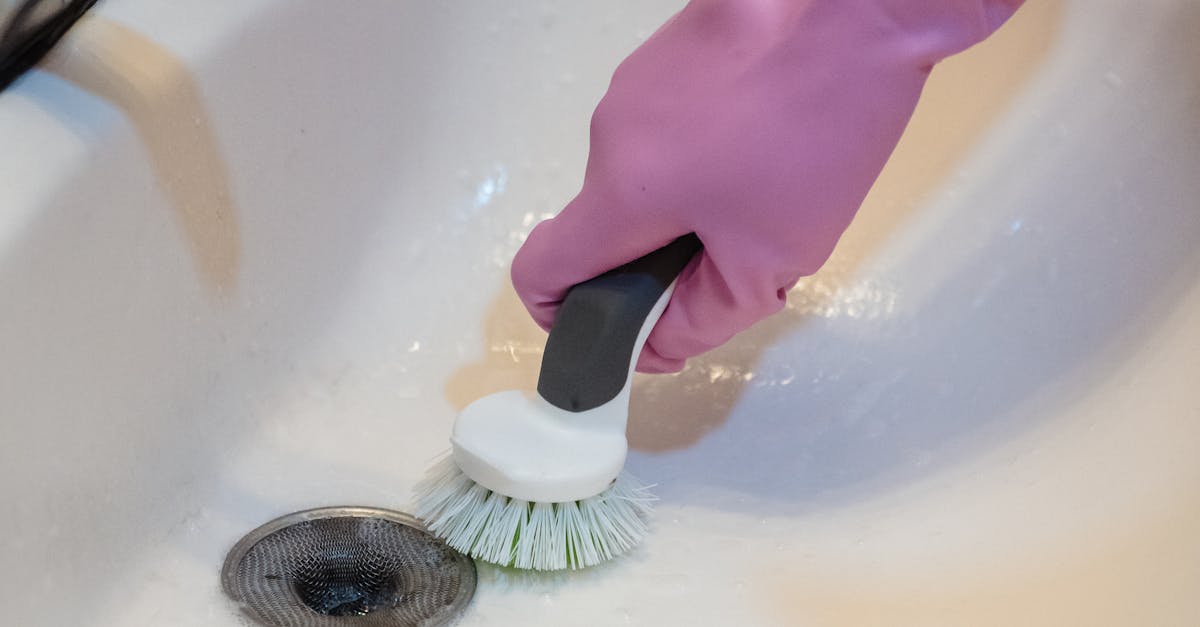
Regular drain cleaning in your home can prevent future clogs and costly repairs. Simple practices like using sink strainers can capture food particles and debris before they enter the plumbing system. Additionally, running hot water down the drain after each use can help dissolve any grease or soap buildup. This proactive approach ensures smoother drainage and reduces the need for harsh chemicals in the long run.
Another effective method for maintaining clear drains involves periodic professional inspections. Trained plumbers can identify potential issues early on, allowing for timely intervention. They can also recommend specific products or methods tailored to your plumbing system. Investing in such preventive measures can extend the life of your pipes and make drain cleaning in your home less of a hassle.
Keeping Drains Clear
Regular maintenance of your plumbing system can significantly reduce the likelihood of clogs. Small actions like using a sink strainer can catch food particles and hair before they enter the pipes. Pouring hot water down the drain on occasion helps dissolve grease that might accumulate. These simple practices can make a notable difference in keeping your drains clear.
Drain cleaning in commercial properties often requires more rigorous attention due to higher volumes of waste. Business owners should prioritize regular inspections and professional cleanings to maintain optimal flow. This proactive approach not only extends the lifespan of plumbing systems but also enhances overall hygiene and safety within the establishment. Investing in proper maintenance can ultimately save on costly repairs.
Environmental Concerns
The use of baking soda and vinegar for drain cleaning has gained popularity due to its perceived safety and affordability. However, when combined, these substances can create a reaction that produces carbon dioxide gas. This reaction might seem harmless, but it can lead to pressure buildup in enclosed spaces like your plumbing system. Over time, this pressure could potentially damage the pipes or lead to leaks, which may cause much costlier repairs than the original clog.
Additionally, while both baking soda and vinegar are naturally occurring substances, their environmental impact can be misunderstood. Drain cleaning in this manner may not actually break down materials effectively, leading to repeated efforts that use water and create unnecessary waste. Other eco-friendly alternatives could provide a more sustainable solution for maintaining clear drains without the risk of chemical reactions or harmful consequences. Exploring these options can contribute to safer plumbing systems and healthier environmental practices.
EcoFriendly Cleaning Practices
Eco-friendly cleaning practices offer effective alternatives to using harsh chemicals for maintaining your home. Natural ingredients can be just as powerful in keeping drains clear without harming the environment. For instance, using a mixture of baking soda and vinegar as a drain cleaning solution can seem appealing. However, this method may produce harmful gases when combined. Focusing on safer solutions like enzymatic cleaners or simply hot water can provide a much safer way to handle clogs.
Drain cleaning in an environmentally responsible manner ensures that harmful substances do not end up in water systems. Many commercial cleaners contain toxic components that can disrupt local ecosystems and harm aquatic life. By selecting biodegradable products or even creating homemade cleaners using basic ingredients like salt and lemon juice, homeowners can effectively maintain their plumbing without risking environmental damage. These practices cater to both the health of your home and that of the planet.
Common Misconceptions
Many people believe that using baking soda and vinegar together is an effective way to unclog drains. This combination is often touted as a natural solution that can break down clogs and clean pipes. However, the reality is that while baking soda and vinegar can create a fizzy reaction, it is not strong enough to tackle serious blockages. Drain cleaning in this manner might provide a temporary sensation of cleansing, but it typically fails to address the underlying issues that cause clogs.
Another misconception is that this method is entirely safe for all types of plumbing. While baking soda and vinegar are generally regarded as non-toxic, the chemical reaction they create can lead to pressure build-up in pipes. This phenomenon can potentially exacerbate existing plumbing issues or even damage older pipes. Relying solely on baking soda and vinegar for drain cleaning in homes that experience frequent clogs may lead to more significant problems down the line.
Myths About DIY Drain Cleaning
Many homeowners believe that combining baking soda and vinegar creates a powerful concoction capable of clearing clogged drains. This perception is grounded in the natural effervescence that occurs, leading many to assume that the reaction will dislodge stubborn debris. While the bubbling action can provide some level of agitation, it often fails to reach deeper blockages or resolve more significant issues in the plumbing system.
Another common misconception is that DIY solutions are always a safe alternative to professional services. While some techniques may be effective for minor clogs, relying solely on home remedies can lead to overlooked problems within the drainage system. Drain cleaning in residential settings requires a deeper understanding of plumbing to accurately identify and address issues before they escalate.
FAQS
Why is using baking soda and vinegar for unclogging drains not recommended?
Baking soda and vinegar can create a chemical reaction that produces carbon dioxide, which may temporarily dislodge some debris. However, this method is often ineffective for serious clogs and can lead to further complications, such as pipe damage or ineffective cleaning.
Are there safer alternatives to baking soda and vinegar for clearing drains?
Yes, there are several safer alternatives, such as using a plunger, a plumber's snake, or a mixture of hot water and liquid dish soap. These methods can be more effective in dislodging clogs without the potential risks associated with baking soda and vinegar.
Can baking soda and vinegar harm my plumbing?
Yes, the chemical reaction from combining baking soda and vinegar can produce pressure that might damage older or weaker pipes. Additionally, if the clog persists, the buildup of pressure may lead to leaks or other plumbing issues.
What are some preventative maintenance tips for keeping drains clear?
Regularly clean your drains with hot water, avoid pouring grease or food scraps down the sink, and use drain screens to catch debris. Performing routine maintenance can help prevent clogs before they occur.
How can I promote eco-friendly cleaning practices for my drains?
To promote eco-friendly cleaning, consider using natural cleaning agents like hot water, salt, or enzymatic drain cleaners. Additionally, regular maintenance and mindful disposal of waste can help keep your plumbing system running smoothly without harmful chemicals.