Consequences of Installing Sewer Lines Too Shallow
Installing sewer lines too shallow can lead to a range of consequences that affect both functionality and long-term sustainability. In areas like South Shore, Pittsburgh, where the soil composition and weather patterns can fluctuate, shallow installations are particularly vulnerable to weather-related issues. Heavy rains or frozen ground can prompt soil movement, exposing the pipes and leaving them susceptible to damage. This can result in leaks, leading to costly repairs and potential health hazards due to contamination.
Additionally, shallow sewer lines may encounter blockages more frequently than those installed at recommended depths. As debris and tree roots infiltrate the line, the risk of backups increases substantially. Homeowners in South Shore, Pittsburgh need to consider the implications of improper installation, as enduring problems could disrupt daily life and generate substantial expenses over time. Repairing these issues might necessitate excavation and significant labor, thereby undermining the initial savings sought through shallow installations.
Risks of Damage and Blockages
Installing sewer lines too shallow presents significant risks, including increased potential for damage and blockages. When sewer lines are not buried deep enough, they can be vulnerable to external pressures from soil, freezing temperatures, and surface activities. Cracks and leaks are more likely to occur, leading to untreated wastewater infiltrating the surrounding environment. This not only poses a health hazard but also results in costly repairs and environmental issues.
In areas like West Liberty, Pittsburgh, where soil conditions and weather variations can be challenging, proper installation depth is crucial. Shallow sewer lines can easily become obstructed by tree roots or debris, causing backups that affect the entire plumbing system. Homeowners and contractors need to adhere to local codes and guidelines to ensure that sewer lines are adequately protected against these risks, thereby ensuring a reliable waste management system.
Recommended Practices for Sewer Line Installation
When installing a sewer line, it is crucial to adhere to local regulations and guidelines. A recommended depth for sewer lines in Pennsylvania typically falls between 18 and 36 inches, depending on regional frost lines. Factors such as soil type, the slope of the land, and the proximity to trees can also influence the installation depth. Homeowners and contractors should conduct a thorough assessment of these factors to ensure compliance with local codes and avoid future complications.
Using appropriate materials is another essential practice in sewer line installation. PVC pipes are often favored for their durability and resistance to corrosion. It is advisable to ensure that all connections are secure and that proper bedding is provided to prevent shifting. For those in the area of Summerset, Pittsburgh, sewer line installation and repair services often provide expert guidance to ensure that installations meet the required standards and function effectively for years to come.
Guidelines for Contractors and Homeowners
Contractors and homeowners should adhere to local regulations and guidelines when planning sewer line installation. Understanding the specific requirements in Squirrel Hill South, Pittsburgh is crucial for ensuring compliance and preventing future complications. Depth specifications may vary based on the type of soil and climate conditions, so evaluating these factors beforehand helps to mitigate risks associated with improper installation. Additionally, it is vital to consider the required slope to ensure optimal drainage and prevent blockages.
Homeowners must be proactive in maintaining their sewer lines after installation. Regular inspections can help identify potential issues before they escalate into more significant problems, like leaks or stoppages. For those engaged in Squirrel Hill South, Pittsburgh sewer line installation and repair, hiring certified professionals ensures that all work is up to standard. Preventive maintenance practices, along with prompt attention to any signs of trouble, can extend the life of sewer lines and safeguard property integrity.
Tools and Equipment for Measuring Sewer Line Depth
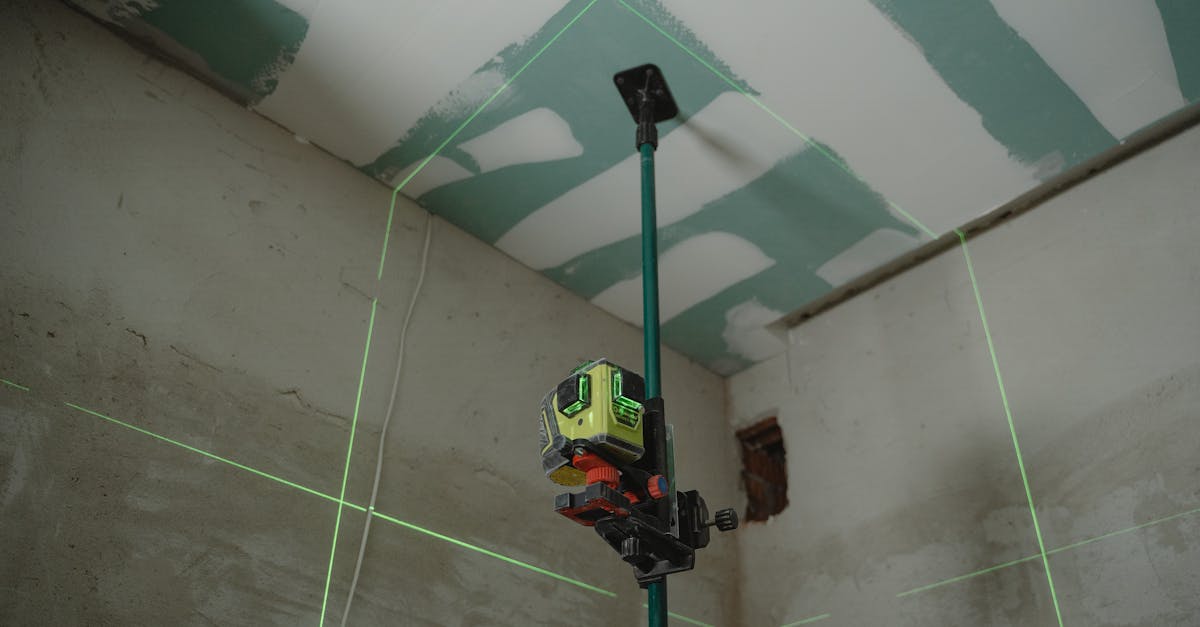
Accurate measurement is crucial when determining the appropriate depth for sewer line installation. Various tools are available to assist professionals and homeowners alike. A depth measurement wheel provides a straightforward and effective way to gauge how deep the trench needs to be. Additionally, laser levels can help ensure that the sewer line is laid out correctly, preventing future complications. Not only do these tools enhance precision, but they also save time during installation processes.
Another vital piece of equipment is a soil probe, which allows users to assess the type of soil and its compaction. Understanding the soil composition can influence the necessary depth for the sewer line. For those engaged in Upper Hill, Pittsburgh sewer line installation and repair, the right tools can aid in compliance with local regulations and standards. By ensuring accurate measurements, the risk of potential issues down the line can be significantly reduced.
Essential Tools for Accurate Installation
For accurate sewer line installation, a range of tools is essential. A laser level provides precise measurements for establishing depth. Additionally, a surveyor's transit can help ensure that the line maintains the necessary slope for proper drainage. Stakes or markers will aid in keeping track of depth points throughout the installation process. For professionals in Point Breeze North, Pittsburgh, having these tools readily available is crucial for achieving compliance with local regulations.
Measuring tape is another fundamental tool when it comes to assessing the depth of existing sewer lines. This tool allows contractors to verify that new installations meet appropriate depth requirements. A trenching shovel or mechanical excavator may also be needed for digging trenches safely and efficiently. Proper use of these tools ensures that sewer line installations are executed without issues, minimizing the risk of future complications in areas such as Point Breeze North, Pittsburgh sewer line installation and repair.
FAQS
What is the minimum depth for sewer lines in Pennsylvania?
In Pennsylvania, the minimum depth for sewer lines is typically 3 feet below the surface, although this can vary depending on local regulations and frost line requirements.
What are the consequences of installing sewer lines too shallow?
Installing sewer lines too shallow can lead to risks of damage from ground movement, freeze-thaw cycles, and increased blockages due to debris and roots.
How can homeowners determine the correct depth for their sewer line installation?
Homeowners can determine the correct depth by consulting local building codes, hiring a professional contractor, or referring to guidelines set by the Pennsylvania Department of Environmental Protection.
What tools are essential for measuring sewer line depth?
Essential tools for measuring sewer line depth include a tape measure, a level, and possibly a laser level for more precise installations.
Are there specific guidelines that contractors should follow for sewer line installation in PA?
Yes, contractors should follow local building codes, ensure proper depth and slope for drainage, and consider environmental factors that may affect the sewer line's performance.