Techniques for Measuring Slope
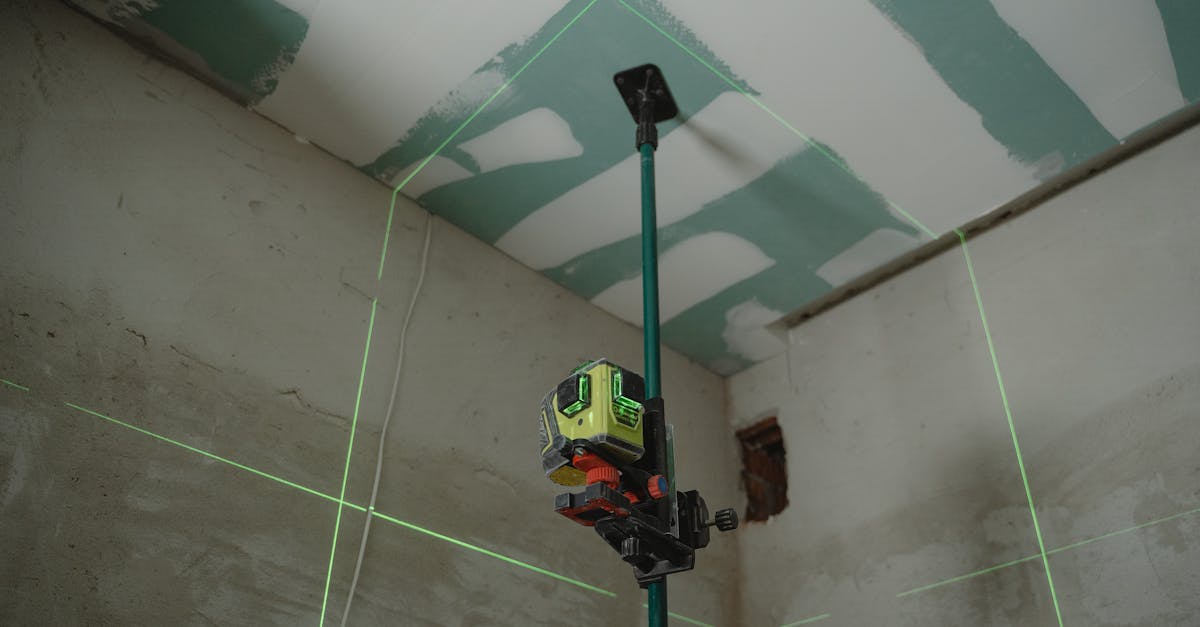
Measuring the slope of a sewer line is crucial for ensuring proper drainage and preventing future clogs. One effective technique involves using a level or a laser measuring tool to ensure that the line has the correct pitch. Placing a level on the pipe helps maintain the proper angle. Laser tools can project a straight line over long distances, making it easier to achieve accuracy even in larger installations.
Another method is the use of a slope gauge, which provides a visual representation of the angle. This can help installers confirm that the pipe is angled correctly towards the sewer system. Experienced professionals often recommend following local building codes, especially for sewer line installation and repair in Perry Hilltop, Pittsburgh. Proper slope measurement techniques can significantly enhance the longevity and efficiency of the system.
Tools and Methods for Accuracy
Accurate measurement of slope during sewer line installation is critical to ensure proper drainage and avoid future problems. Traditional methods like using a level or a string line can be effective for short runs. For longer distances, a laser level is often a preferred choice, providing a clear visual reference for maintaining the desired slope. The use of these tools allows installers to achieve a consistent gradient throughout the installation process.
For professionals involved in sewer line installation and repair in South Side Flats, Pittsburgh, utilizing a digital level can further enhance precision. Many modern digital levels come equipped with features that allow for fine-tuning measurements, providing readouts that facilitate immediate adjustments. This technology helps reduce the risk of human error, ensuring that the slope remains within the recommended range for optimal water flow.
Installation Best Practices
When installing a residential sewer line, it is crucial to maintain the proper slope to ensure efficient drainage. A typical recommendation is a slope of 1/4 inch per foot for pipes up to 4 inches in diameter. This slight incline allows gravity to assist in the flow of waste while minimizing the risk of clogs. It is essential to verify this slope consistently throughout the installation process, especially in longer runs of piping. Adequate spacing between joints also contributes to a smooth flow, preventing potential backups.
In addition to maintaining the correct slope, using high-quality materials and following local plumbing codes is vital. Consideration of factors such as soil type and landscape can influence installation practices. For those in need of expert guidance, services specializing in sewer line installation and repair in Mount Washington, Pittsburgh can provide valuable insights. Ensuring that local regulations are followed not only promotes successful installation but can also save homeowners from costly repairs in the future.
Steps for Properly Setting the Slope
Achieving the proper slope for a residential sewer line requires careful attention to detail during installation. Begin by determining the correct gradient, which is typically a minimum of 1%, translating to a vertical drop of one inch for every ten feet of horizontal run. This angle promotes efficient drainage while minimizing the risk of clogs. Use a laser level or a traditional level to ensure accuracy when laying the pipes. Proper tools are essential in maintaining the desired slope throughout the installation process.
Once the slope is set, secure the pipes to prevent any movement that could alter the angle. Inspect each section for any signs of improper alignment before covering the trench. Regular checks during installation contribute to long-term functionality. For those residing in the area, enlisting the services of professionals can ensure that every aspect of sewer line installation and repair in Stanton Heights, Pittsburgh meets local building codes and standards. This approach not only enhances the reliability of the drainage system but also helps to avoid costly repairs in the future.
Common Misconceptions About Sewer Line Slope
Many people believe that a steeper slope is always better for sewer lines. This misconception stems from the idea that increased gravity will help waste flow more efficiently. However, if the slope is too steep, it can lead to issues such as the waste flowing too quickly, which prevents solids from settling properly. This can ultimately result in clogs and backups in the system.
Another common myth is that the diameter of the pipe does not affect the required slope. In truth, the size of the pipe plays a significant role in determining the appropriate pitch. A smaller diameter pipe may require a steeper slope compared to a larger pipe to ensure optimal flow. Understanding these factors is crucial for those involved in sewer line installation and repair in Point Breeze North, Pittsburgh. Proper education on these topics can lead to more effective installations and reduce the likelihood of future problems.
Debunking Myths
Many people believe that a steeper slope is always better for sewer lines. While it might seem logical that encouraging a faster flow would prevent clogs, excessive steepness can lead to other issues. When the slope is too steep, wastewater can move too quickly, causing solids to settle in the pipe instead of being carried away. This can create blockages and lead to more significant problems over time, contradicting the initial intention of preventing clogs.
Another common misconception is that all sewer lines require a uniform slope across their entire length. In reality, local building codes and specific site conditions often dictate varying slopes for different segments of the line. Professionals who conduct sewer line installation and repair in Perry Hilltop, Pittsburgh, understand these nuances and tailor the installation accordingly. This attention to detail is essential for the long-term reliability of residential sewer systems.
FAQS
What is the recommended slope for a residential sewer line?
The recommended slope for a residential sewer line is typically between 1% and 2%, which translates to a drop of 1/8 inch to 1/4 inch per foot of pipe.
How can I measure the slope of my sewer line?
You can measure the slope of your sewer line using a level, a tape measure, or a laser level. Ensure that the starting point and endpoint of the pipe are clearly marked for accurate measurement.
What tools are best for ensuring an accurate slope during installation?
Common tools include a level, a carpenter's square, a measuring tape, and a laser level. These tools help confirm that the pipe is set at the correct angle throughout the installation process.
What are the consequences of not installing a sewer line with the proper slope?
If a sewer line is not installed with the proper slope, it can lead to issues such as slow drainage, clogs, backflow, and costly repairs. Improper slope can also create pressure on the pipes, leading to potential damage.
Are there any common myths about sewer line slope that I should be aware of?
Yes, some common myths include the belief that a steeper slope is always better or that a flat sewer line will suffice. In reality, too steep a slope can cause solids to wash away too quickly, while a flat line can lead to stagnation and clogs.